
Key Takeaways
- Poor sleep increases depression risk tenfold and anxiety risk seventeen times while impairing immune function and promoting chronic inflammation.
- Sleep deprivation disrupts blood sugar regulation, contributing to obesity, type 2 diabetes, and increased cravings for unhealthy foods.
- Establish consistent sleep schedules and optimize your bedroom with darkness, quiet, and cool temperatures to improve sleep quality.
- Eliminate screen exposure one hour before bed and avoid caffeine after early afternoon to prevent sleep disruption.
- Seek professional help if sleep difficulties persist beyond 2-3 weeks, as cognitive behavioral therapy effectively treats chronic insomnia.
Understanding Sleep Deprivation and Its Warning Signs
When your body consistently fails to get adequate rest, the consequences extend far outside simple tiredness. Sleep deprivation affects an estimated 50-70 million adults in the U.S., stemming from shift work, poor sleep hygiene, and medical conditions like sleep apnea and anxiety disorders.
If you live in Broomfield CO and have noticed warning signs in your daily life, you’re not alone. Common indicators include persistent fatigue, mood fluctuations, difficulty concentrating, and increased cravings for unhealthy foods. You might find yourself dozing off unintentionally during the day or experiencing heightened irritability, symptoms I frequently see in patients at Elevated Chiropractic Broomfield who are struggling with sleep issues.
Adults need 7–9 hours nightly, while teenagers require 8–10 hours. When you don’t meet these thresholds, cognitive and emotional impairments follow. Recognizing these warning signs early helps you seek appropriate intervention before chronic sleep deprivation triggers serious health complications, including cardiometabolic and mental health problems.
How Poor Sleep Affects Your Physical and Mental Health
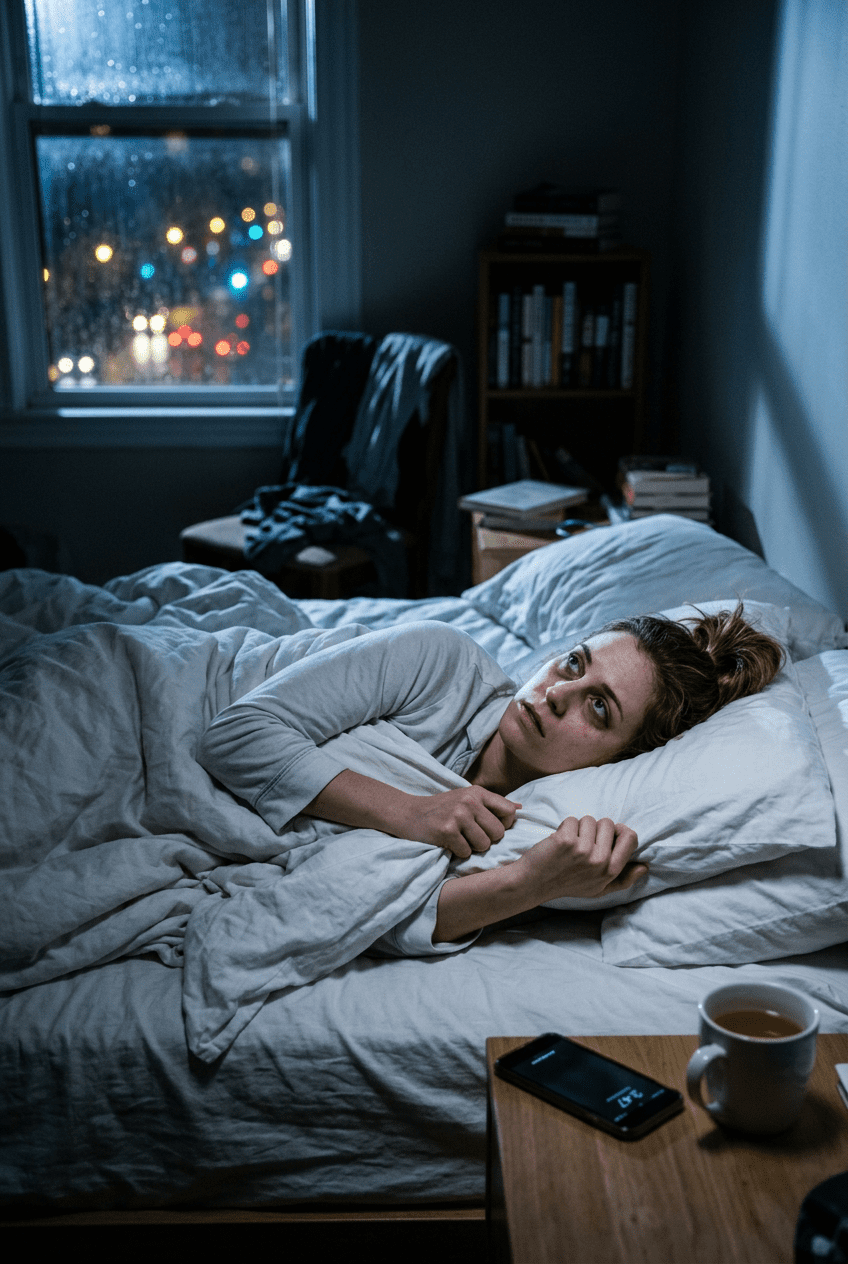
Although you might dismiss occasional sleepless nights as minor inconveniences, chronic sleep deprivation triggers measurable damage across multiple body systems. Your cognitive function deteriorates, emotional regulation falters, and you’re not alone, research shows sleep problems increase depression risk tenfold and anxiety risk by seventeen times.
Physically, inadequate rest impairs your immune response and promotes chronic inflammation, boosting your vulnerability to heart disease and certain cancers. Your blood sugar regulation suffers as insulin resistance develops, pushing you toward obesity and type 2 diabetes. In our Broomfield CO wellness community, I’ve seen how unresolved sleep issues can quietly set the stage for these conditions.
Athletic performance declines noticeably: reaction times slow, motor control weakens, and injury risk climbs. Meanwhile, mental health problems and poor sleep feed each other in a destructive cycle affecting up to one-third of the population.When I work with patients facing sleep issues Broomfield CO, we look beyond simple fatigue and consider the broader physical and mental health picture. You deserve better outcomes than living in a constant state of exhaustion and strain.
The Vicious Cycle Between Sleep Problems and Mental Health Conditions
Because sleep and mental health share overlapping neural pathways, disruption in one system inevitably destabilizes the other. When you’re struggling with sleep disorders like insomnia or sleep apnea, you’re not alone; approximately 25% of U.S. adults face similar challenges. Research confirms that insomnia increases your risk of depression tenfold and anxiety by seventeen times.
You’ll find that sleep deprivation diminishes your capacity for emotional regulation, leaving you vulnerable to mental health disorders. These conditions then further fragment your sleep architecture, trapping you in a reinforcing cycle that feels isolating but is remarkably common.
The bidirectional relationship means that addressing one component influences the other. Understanding this connection empowers you to break free from the cycle. Many in your situation have found that targeted interventions, combining lifestyle changes, stress management, and appropriate medical or psychological care, restore both restful sleep and emotional equilibrium. At Elevated Chiropractic Broomfield, we view sleep health as a core part of your overall wellness, not a secondary concern.
Practical Lifestyle Changes to Improve Your Sleep Quality

Given the established connection between sleep disruption and mental health deterioration, you’ll benefit from implementing evidence-based lifestyle modifications that target your circadian rhythm and sleep architecture. Establishing consistent sleep times helps regulate your internal clock, which many in our community have found life-changing for their well-being.
Your sleep hygiene protocol should include optimizing your bedroom environment, maintaining darkness, quiet, and cool temperatures. You’ll want to eliminate screen exposure at least one hour before bed, as blue light suppresses melatonin production and disrupts your natural sleep cycle.
When to Seek Professional Help and Treatment Options

When lifestyle modifications fail to resolve your sleep difficulties after two to three weeks, you should seek professional evaluation to rule out underlying sleep disorders. A sleep specialist can conduct thorough assessments, including polysomnography, to diagnose conditions like sleep apnea, which affects approximately 25% of adults with chronic sleep issues.
You’re not alone in this path. Cognitive behavioural therapy stands as the gold-standard treatment for insomnia, helping you reshape patterns that disrupt your rest. This evidence-based approach addresses the root causes rather than masking symptoms.
While medications may be prescribed for short-term relief, your healthcare provider will likely recommend non-pharmacological options first. Early intervention matters; it prevents serious complications, including heightened risks for depression and anxiety. If you’re dealing with persistent sleep issues in Broomfield CO, our team at Elevated Chiropractic Broomfield can collaborate with your other providers to support a comprehensive, wellness-focused plan that respects your body’s need for restorative rest.
Frequently Asked Questions
Can Certain Foods or Supplements Naturally Help Improve My Sleep Quality?
Yes, you can improve your sleep naturally. Foods containing tryptophan, magnesium, and melatonin, like turkey, nuts, and tart cherries—support better rest. You’ll find supplements like magnesium glycinate and valerian root clinically shown to enhance sleep quality.
How Does Poor Sleep Affect My Weight and Metabolism Over Time?
Poor sleep acts like a saboteur in your body’s engine, you’ll disrupt hunger hormones, increase cortisol levels, and slow metabolic function. Research confirms you’re more likely to experience weight gain and insulin resistance over time.
Is It Possible to Catch up on Lost Sleep During Weekends?
You can’t fully recover lost sleep by sleeping in on weekends. This “sleep debt” disrupts your circadian rhythm and metabolism. You’ll benefit more from maintaining consistent sleep patterns throughout the week.
How Many Hours of Sleep Do Different Age Groups Actually Need?
You’ll need different amounts: newborns require 14-17 hours, teenagers need 8-10 hours, and adults function best with 7-9 hours. Understanding your age group’s requirements helps you join others prioritizing evidence-based sleep health practices.
Can Napping During the Day Negatively Impact My Nighttime Sleep?
Yes, daytime napping can disrupt your nighttime sleep. Coincidentally, the same fatigue that drives you to nap often stems from poor nighttime rest. You’ll find limiting naps to 20 minutes before 3 PM helps maintain your sleep cycle.
Conclusion
You’ve learned how sleep deprivation silently sabotages your physical and psychological well-being. Don’t dismiss the diagnostic data—persistent poor sleep patterns predict serious health complications. By implementing proven protocols like consistent schedules and screen-free bedtime boundaries, you’ll break the destructive cycle.